
- by Teacher Dave
Understanding Dutch School Culture: A Guide for Expat Families
Reading Time: 4 minutesMoving to a new country comes with exciting opportunities—and a fair share of uncertainty. For expat families settling in the Netherlands, one of the most important adjustments is navigating the local school system. Dutch schools are known for their high quality, student-centered approach, and emphasis on independence. However, the culture may feel quite different from what you’re used to.
This guide will help you understand Dutch school culture so your child can thrive—and so you can feel confident supporting them.
Table of Contents
The Dutch Education Philosophy
At the heart of Dutch education is a strong belief in independence and personal development. Schools encourage children to think critically, express their opinions, and take responsibility for their own learning.
Teachers act more as guides than authority figures. Students are expected to participate actively in discussions, ask questions, and even challenge ideas respectfully. This open environment can feel surprisingly informal compared to more hierarchical systems.
Another key element is balance. Academic success matters, but so does well-being. Dutch schools prioritize a healthy mix of learning, play, and social development.
A Less Formal Classroom Environment
One of the first things expat parents notice is how relaxed Dutch classrooms feel. Students often call teachers by their first names, and communication is direct and informal.
This doesn’t mean there’s a lack of discipline—it simply reflects a cultural preference for equality and mutual respect. Children are taught to voice their thoughts confidently, which can be empowering but may take some getting used to.
For parents, this also means interactions with teachers are typically open and straightforward. Don’t expect overly formal meetings—honesty and clarity are valued more than politeness rituals.
The Importance of Independence
Dutch children are encouraged to be самостоятельные from a young age. This extends beyond the classroom into daily life.
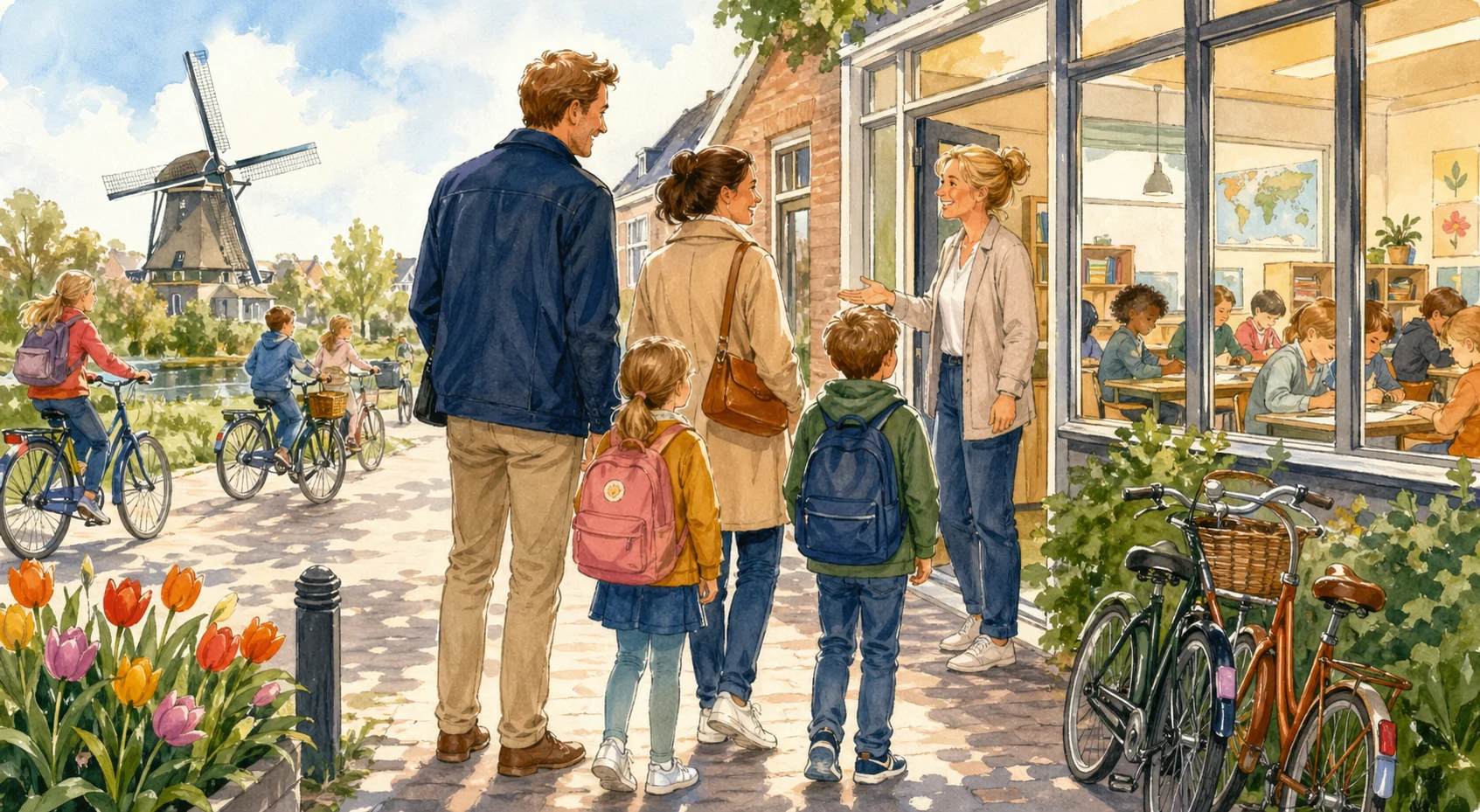
It’s common to see young children biking to school alone or with friends. Homework is often designed to be completed independently, and parents are expected to support rather than manage their child’s workload.
This approach builds confidence and problem-solving skills. However, for expat families used to more structured guidance, it can feel like a big shift.
Direct Communication Style
The Dutch are known for their directness, and this is very much present in schools.
Teachers will give honest feedback about your child’s performance, behavior, and development—sometimes more bluntly than you might expect. This is not meant to be rude; it’s seen as efficient and transparent.
As a parent, it’s helpful to adopt a similar approach. Ask clear questions, express concerns openly, and don’t hesitate to seek clarification.
Limited Homework in Primary School
In Dutch primary schools, homework is minimal compared to many other countries. The focus is on learning during school hours, allowing children to relax and recharge at home.
Instead of heavy assignments, children may be encouraged to read, explore hobbies, or spend time outdoors. This reflects the Dutch belief that children learn best when they are well-rested and happy.
For expat parents, this can feel unusual—especially if you’re used to rigorous after-school study routines.
The Role of Standardized Testing
Around the end of primary school, students take an important assessment that helps determine their secondary education path.
Based on this and the teacher’s recommendation, children are placed into different levels of secondary education. This system is designed to match each child’s abilities and learning style.
While this may seem like early specialization, it’s important to know that the Dutch system allows flexibility. Students can move between levels if their performance changes over time.
Strong Focus on Well-Being
Dutch schools place a high priority on emotional well-being. Bullying prevention, social skills, and mental health are taken seriously.
Many schools have programs to support students’ social development and ensure a positive learning environment. Teachers are attentive to how children feel, not just how they perform academically.
This holistic approach is one of the reasons Dutch children consistently rank among the happiest in the world.
Parental Involvement Looks Different
In the Netherlands, parental involvement is encouraged—but it’s less intensive than in some other countries.
Parents are expected to stay informed, attend meetings, and support their child, but not to closely supervise every aspect of their education. Schools trust children to take responsibility, and parents are seen as partners rather than managers.
There are also opportunities to volunteer for school activities, which can be a great way to integrate into the community.
Language Considerations for Expat Families
If your child doesn’t speak Dutch yet, there are several options available.
Some schools offer special newcomer classes designed to help children learn the language quickly. There are also international schools where instruction is primarily in English.
However, learning Dutch can greatly enhance your child’s social integration and overall experience. Even basic language skills can make a big difference.
Tips for a Smooth Transition
Adapting to Dutch school culture takes time, but a few strategies can make the process easier.
Encourage your child to ask questions and speak up in class, even if it feels unfamiliar. Embrace the informal communication style and try not to interpret direct feedback as negative.
Give your child space to develop independence, even if it feels uncomfortable at first. And most importantly, stay patient—adjustment is a gradual process.
Conclusion
Understanding Dutch school culture is key to helping your family settle successfully in the Netherlands. While the system may feel informal, direct, and independence-focused, it is built on a strong foundation of trust, respect, and well-being.
By embracing these values, expat families can not only support their children’s education but also gain a deeper appreciation for the Dutch way of life. With time, what initially feels unfamiliar often becomes one of the most rewarding aspects of living in the Netherlands.

Teacher Dave
Teacher Dave is an enthusiastic and dedicated educator behind OnlineDutch4Kids, a platform designed to help expat children aged 5 to 12 learn Dutch in a fun and accessible way. With a strong passion for language learning and child development, he focuses on creating engaging, interactive lessons that make Dutch approachable for young learners who may be new to the language. Through Free Dutch Online, Teacher Dave combines storytelling, games, songs, and visual materials to keep children motivated and curious. His teaching style is patient, encouraging, and tailored to the needs of international families, helping kids build confidence in speaking, listening, reading, and writing Dutch at their own pace. By blending education with creativity, Teacher Dave has built a supportive online learning environment where children from around the world can connect with the Dutch language in an enjoyable and meaningful way.