
- by Teacher Dave
Making Friends in Dutch: Simple Phrases That Help Kids Connect
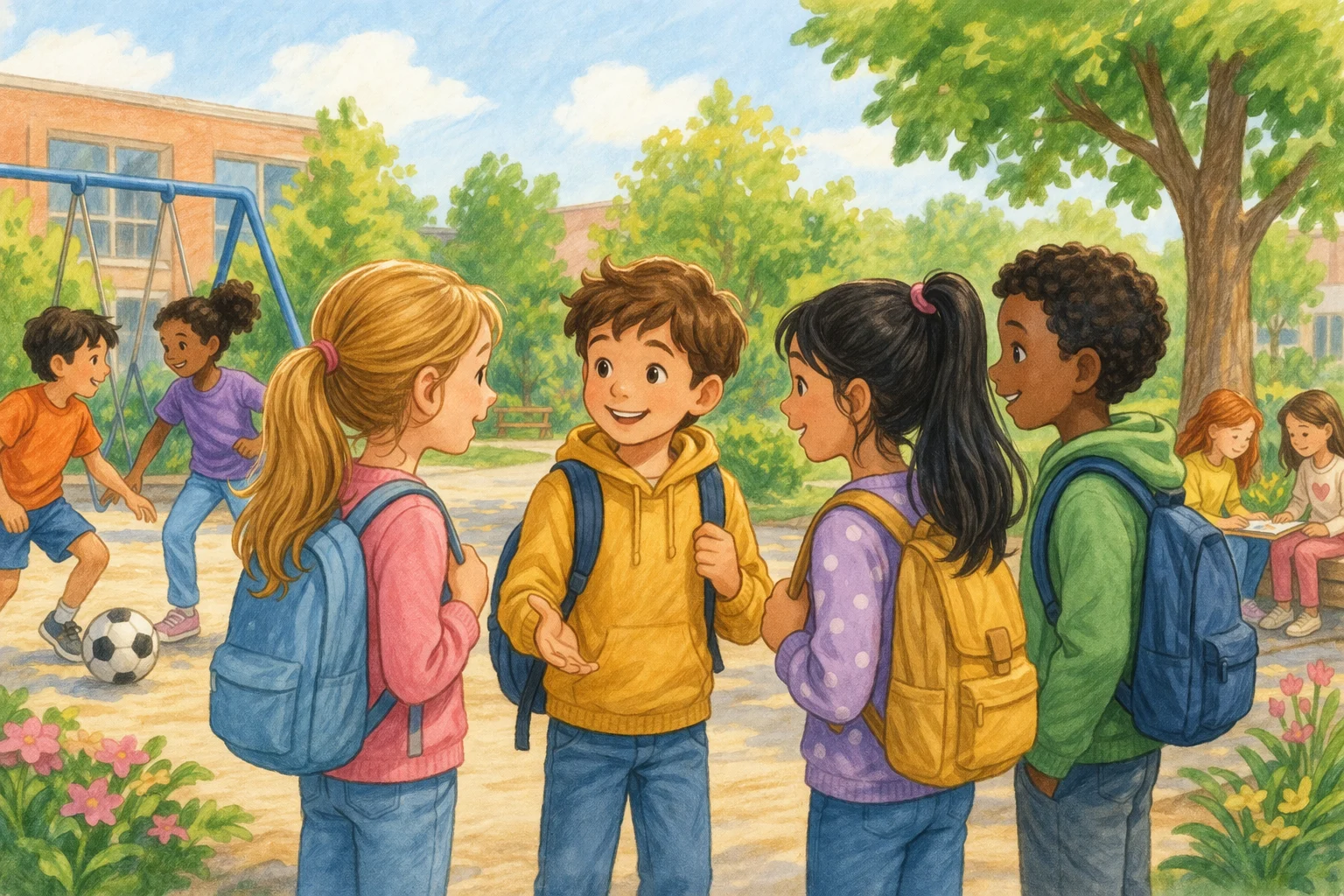
Reading Time: 3 minutesHelping children make friends in a new language can feel like a big challenge—but it doesn’t have to be. When kids learn a few simple, friendly phrases in Dutch, they gain confidence, feel included, and open the door to meaningful social connections.
Whether your child has just moved to the Netherlands or is learning Dutch at school, mastering a handful of everyday expressions can make all the difference.
Table of Contents
Why Learning Social Phrases Matters
Language is more than vocabulary and grammar—it’s a bridge to connection. For kids, friendships are built through play, shared experiences, and communication. Knowing how to say “hello,” ask to join a game, or introduce themselves in Dutch helps children feel empowered rather than isolated.
Simple phrases act as social tools. They reduce anxiety, encourage interaction, and show openness to others. Even a small effort to speak Dutch can make a big impression on peers.
Essential Dutch Phrases for Making Friends
Here are some easy and practical Dutch phrases kids can start using right away:
Greetings and Introductions
- Hallo! (Hello!)
- Hoi! (Hi!)
- Hoe heet jij? (What’s your name?)
- Ik heet… (My name is…)
- Hoe gaat het? (How are you?)
Starting a Conversation
- Wil je met mij spelen? (Do you want to play with me?)
- Mag ik meedoen? (Can I join?)
- Wat ben je aan het doen? (What are you doing?)
- Zullen we samen spelen? (Shall we play together?)
Being Friendly and Polite
- Dank je wel! (Thank you!)
- Alsjeblieft! (Here you go / please)
- Sorry! (Sorry!)
- Dat is leuk! (That’s fun!)
At School or the Playground
- Welke klas zit jij? (Which class are you in?)
- Kom je ook? (Are you coming too?)
- Tot morgen! (See you tomorrow!)
Tips to Help Kids Practice
Children learn best through play and repetition. Here are a few ways to make learning these phrases fun and effective:
- Practice through role-playing games where kids pretend to meet new friends
- Use flashcards with phrases and illustrations
- Encourage them to use one new phrase each day
- Watch Dutch cartoons or listen to simple Dutch songs
- Arrange playdates with Dutch-speaking children if possible
The goal isn’t perfection—it’s participation. Even if pronunciation isn’t perfect, the effort to communicate matters most.
Building Confidence Through Language
When children use these phrases successfully, they experience small wins that build confidence. They begin to see language not as a barrier, but as a tool. Over time, these small interactions grow into real friendships.
Parents and teachers play an important role by encouraging attempts, celebrating progress, and creating a safe environment for practice.
Common Challenges and How to Overcome Them
It’s normal for kids to feel shy or nervous when speaking a new language. Some may worry about making mistakes or being misunderstood. Reassure them that this is part of learning.
Encourage a growth mindset: mistakes help us improve. Remind children that most other kids appreciate the effort and are often willing to help.
Consistency is key. The more children hear and use Dutch in real situations, the more natural it becomes.
Conclusion
Making friends in a new language doesn’t require perfect fluency—it starts with a few simple words and the courage to use them. By learning basic Dutch phrases, children gain the tools they need to connect, play, and belong. With encouragement and practice, these small steps can lead to lasting friendships and a deeper sense of confidence in their new environment.

Teacher Dave
Teacher Dave is an enthusiastic and dedicated educator behind OnlineDutch4Kids, a platform designed to help expat children aged 5 to 12 learn Dutch in a fun and accessible way. With a strong passion for language learning and child development, he focuses on creating engaging, interactive lessons that make Dutch approachable for young learners who may be new to the language. Through Free Dutch Online, Teacher Dave combines storytelling, games, songs, and visual materials to keep children motivated and curious. His teaching style is patient, encouraging, and tailored to the needs of international families, helping kids build confidence in speaking, listening, reading, and writing Dutch at their own pace. By blending education with creativity, Teacher Dave has built a supportive online learning environment where children from around the world can connect with the Dutch language in an enjoyable and meaningful way.