
- by Teacher Dave
Dealing with Language Frustration: Tips for Kids and Parents
Reading Time: 3 minutesLearning a new language—or even mastering one’s native language—can be an emotional journey for children. Frustration often shows up as tears, avoidance, or even anger, leaving parents unsure how to help.
The good news is that language frustration is a normal part of development, and with the right strategies, it can become a powerful opportunity for growth.
Table of Contents
Why Language Frustration Happens
Children experience language frustration for many reasons. Sometimes, their thoughts move faster than their ability to express them. Other times, they may struggle with pronunciation, vocabulary, or grammar rules that feel confusing and inconsistent. For bilingual or multilingual children, switching between languages can add another layer of complexity.
Frustration often peaks when children compare themselves to peers or feel pressured to “get it right.” Understanding that these feelings are natural is the first step toward helping them cope.
Signs Your Child Is Struggling
Language frustration doesn’t always look the same. Some children become quiet and withdrawn, while others may act out. Common signs include:
- Avoiding reading, speaking, or writing activities
- Saying “I can’t do it” frequently
- Becoming upset when corrected
- Losing interest in schoolwork involving language
Recognizing these signals early allows parents to respond with empathy instead of pressure.
Creating a Supportive Environment
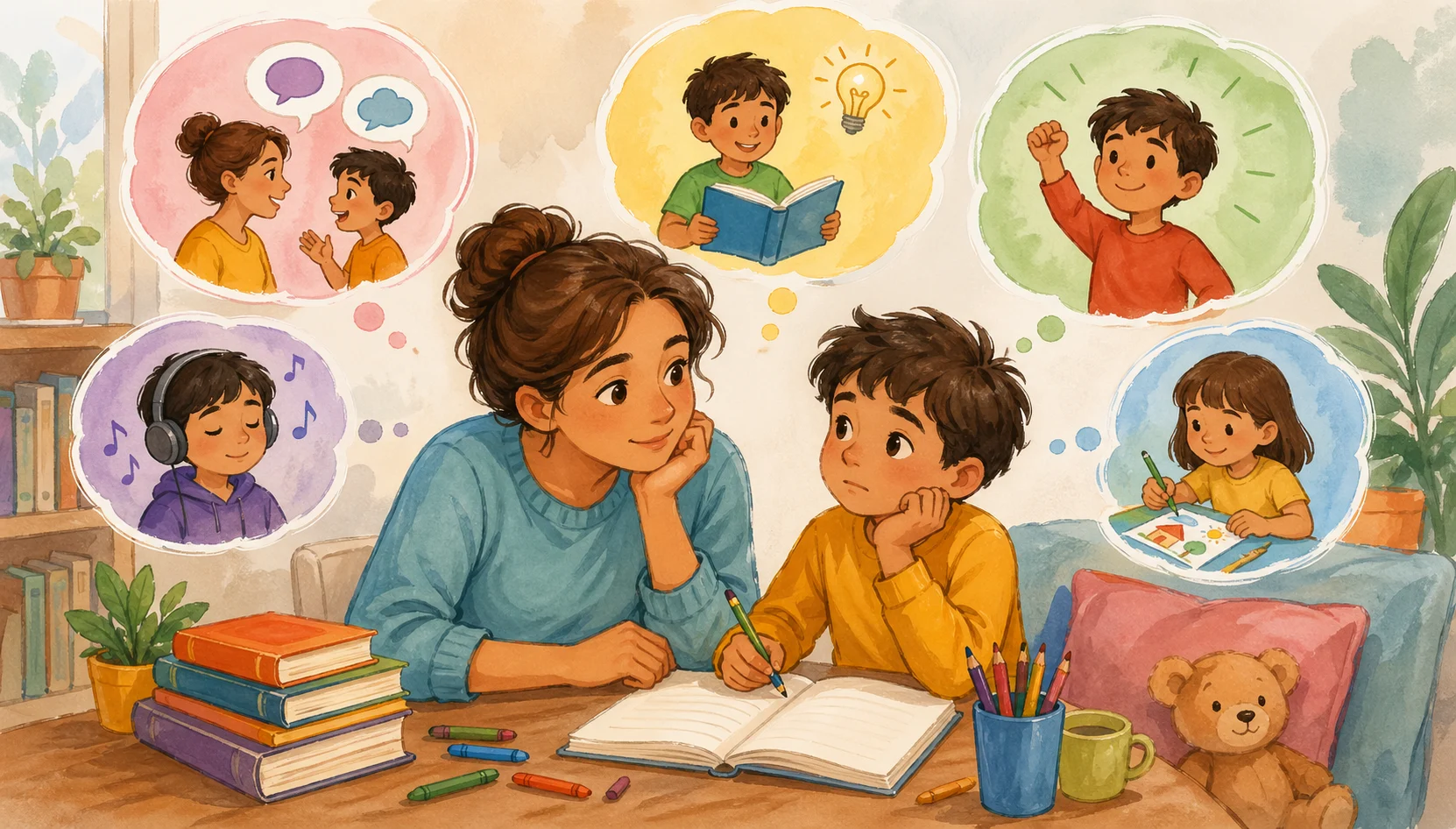
A calm and encouraging environment can make a significant difference. Children need to feel safe making mistakes without fear of criticism. Instead of correcting every error, focus on communication and effort.
Model positive language use by speaking clearly and patiently. Celebrate small wins, like learning a new word or completing a sentence. This builds confidence and reduces anxiety around language use.
Practical Tips for Kids
Children can learn to manage their own frustration with simple techniques:
- Take breaks when feeling overwhelmed
- Use gestures or drawings to express ideas
- Practice through play, such as games or storytelling
- Repeat and rehearse difficult words without pressure
Encouraging a playful approach helps shift language learning from a stressful task to an enjoyable activity.
Practical Tips for Parents
Parents play a key role in guiding children through frustration. Here are effective ways to help:
- Listen actively without interrupting
- Acknowledge feelings: “I see this is hard for you”
- Break tasks into smaller, manageable steps
- Avoid over-correcting; focus on understanding
- Read together regularly to build familiarity with language
Consistency and patience are more impactful than perfection.
When to Seek Extra Support
If frustration persists or significantly affects your child’s confidence and communication, it may be helpful to seek support from a teacher, speech therapist, or language specialist. Early intervention can prevent long-term struggles and provide tailored strategies.
Building Confidence Over Time
Confidence grows when children feel capable and supported. Encourage them to express themselves, even if it’s not perfect. Over time, repeated practice and positive reinforcement will help them become more comfortable and fluent.
Conclusion
Language frustration is a natural part of learning, but it doesn’t have to be a negative experience. With empathy, patience, and the right strategies, both kids and parents can turn these challenges into meaningful progress. By creating a supportive environment and focusing on effort rather than perfection, children can develop not only language skills but also resilience that will benefit them for life.

Teacher Dave
Teacher Dave is an enthusiastic and dedicated educator behind OnlineDutch4Kids, a platform designed to help expat children aged 5 to 12 learn Dutch in a fun and accessible way. With a strong passion for language learning and child development, he focuses on creating engaging, interactive lessons that make Dutch approachable for young learners who may be new to the language. Through Free Dutch Online, Teacher Dave combines storytelling, games, songs, and visual materials to keep children motivated and curious. His teaching style is patient, encouraging, and tailored to the needs of international families, helping kids build confidence in speaking, listening, reading, and writing Dutch at their own pace. By blending education with creativity, Teacher Dave has built a supportive online learning environment where children from around the world can connect with the Dutch language in an enjoyable and meaningful way.