
- by Teacher Dave
The Secret Power of Repetition: Why Dutch Kids’ Books Work So Well
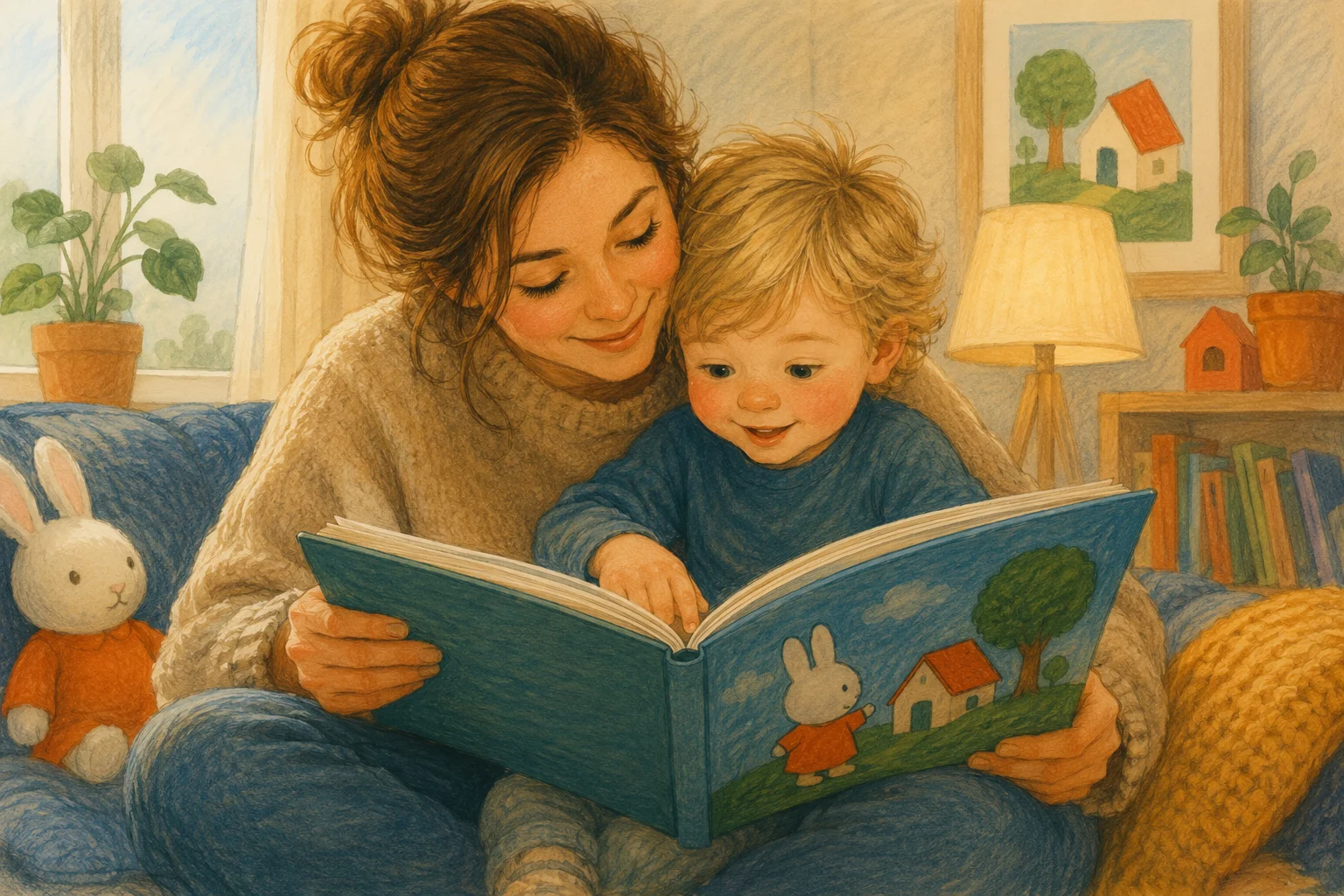
Reading Time: 4 minutesChildren love hearing the same story again and again. Parents may wonder why a child insists on rereading the same book every night, but repetition is actually one of the most powerful learning tools in early childhood development. In Dutch children’s literature, repetition is used brilliantly to help kids learn language, build confidence, and develop emotional security.
From rhythmic phrases to recurring story structures, Dutch kids’ books have mastered the art of repetition in ways that are both entertaining and educational. This simple technique is one of the reasons Dutch children often develop strong language skills and a lasting love for reading at an early age.
Table of Contents
Why Repetition Matters in Children’s Learning
Young children learn through patterns. Their brains are constantly searching for structure, predictability, and familiarity. Repetition helps strengthen neural connections, making it easier for children to remember words, sounds, and ideas.
When a child hears the same sentence repeatedly, they begin to predict what comes next. This prediction process is incredibly valuable because it actively engages the brain instead of encouraging passive listening.
In Dutch children’s books, repetition often appears through:
- Repeated phrases
- Rhyming patterns
- Predictable story sequences
- Recurring character actions
- Familiar emotional themes
These techniques create comfort and excitement simultaneously. Children feel safe because they recognize the pattern, but they also feel proud when they can anticipate the next line.
Dutch Kids’ Books Use Language Rhythm Brilliantly
One of the standout features of Dutch children’s literature is its musical rhythm. Many Dutch books are written with playful sounds and repeating sentence structures that make reading feel natural and fun.
This rhythm supports language acquisition in several ways:
- It improves pronunciation
- It increases vocabulary retention
- It helps children understand sentence structure
- It encourages verbal participation
Books with repetitive rhythms allow children to “join in” even before they can fully read. This builds confidence and creates positive associations with books and storytelling.
Parents often notice that children start repeating favorite phrases throughout the day. That repetition is not random — it is evidence of active language processing.
Repetition Builds Emotional Security
Children thrive on predictability. Repetitive books create a sense of control and emotional safety because kids know what will happen next.
In many Dutch stories, characters face small everyday challenges such as:
- Going to school
- Losing a toy
- Meeting new friends
- Feeling scared at bedtime
When these themes repeat in familiar ways, children learn emotional resilience. They begin to understand that challenges can be solved and that difficult feelings are temporary.
This emotional reinforcement is especially important during early developmental years when children are still learning how to process emotions.
Repetition Improves Memory and Cognitive Skills
Repetitive storytelling strengthens memory formation. Each rereading reinforces the same vocabulary, concepts, and story sequences.
Research consistently shows that repeated exposure improves:
- Comprehension
- Recall
- Attention span
- Sequencing skills
- Listening abilities
Dutch educational philosophy often emphasizes learning through immersion rather than pressure. Repetition fits naturally into this approach because children absorb information gradually through enjoyable experiences instead of formal instruction.
That is why many Dutch books feel playful while still being deeply educational.
Predictable Stories Encourage Early Reading Confidence
When children already know parts of a story, reading becomes less intimidating. They feel capable because they can recognize words and anticipate sentences.
This creates an important psychological shift:
Instead of seeing reading as difficult, children begin to see themselves as successful readers.
Dutch beginner books frequently use:
- Repeated sentence patterns
- Simple vocabulary
- Consistent pacing
- Familiar character routines
These elements reduce cognitive overload and make independent reading feel achievable.
Confidence is one of the biggest predictors of long-term reading success, and repetition helps build that confidence naturally.
Why Parents Sometimes Underestimate Repetition
Adults often crave novelty, but children benefit from familiarity. A parent may become tired of reading the same book ten times in a week, yet the child is gaining something new each time.
During repeated readings, children may:
- Notice new details
- Understand deeper meanings
- Practice pronunciation
- Build emotional connections
- Strengthen memory pathways
What seems repetitive to adults is actually developmental training for children.
Dutch children’s literature understands this deeply, which is why many beloved books intentionally use repetitive structures instead of constantly introducing new complexity.
Repetition Supports Multilingual Learning
Many families today are raising bilingual or multilingual children. Repetition is especially valuable in language learning because it reinforces vocabulary through repeated exposure.
Dutch books with repetitive language patterns help children:
- Associate sounds with meaning
- Improve listening comprehension
- Recognize recurring grammar structures
- Build speaking confidence
For non-native Dutch speakers, repetitive books can dramatically accelerate language familiarity without making learning feel stressful.
This is one reason Dutch children’s books are increasingly popular among international families and educators.
The Best Dutch Kids’ Books Make Repetition Feel Fun
The real magic lies in how repetition is delivered. Great Dutch children’s authors make repeated phrases feel exciting instead of boring.
They achieve this through:
- Humor
- Sound play
- Character anticipation
- Interactive storytelling
- Emotional engagement
Children do not even realize they are learning because the experience feels entertaining and comforting at the same time.
That balance between education and enjoyment is what makes Dutch children’s literature so effective.
Conclusion
Repetition is far more than a storytelling trick — it is a powerful developmental tool that helps children learn language, build memory, gain emotional security, and develop reading confidence.
Dutch kids’ books excel because they embrace repetition intentionally and creatively. Their rhythmic language, predictable structures, and emotionally comforting patterns create an ideal environment for early childhood learning.
While adults may sometimes grow tired of hearing the same story repeatedly, children are building critical cognitive and emotional skills with every reread. That is the secret power behind repetition — and one of the key reasons Dutch children’s books work so remarkably well.

Teacher Dave
Teacher Dave is an enthusiastic and dedicated educator behind OnlineDutch4Kids, a platform designed to help expat children aged 5 to 12 learn Dutch in a fun and accessible way. With a strong passion for language learning and child development, he focuses on creating engaging, interactive lessons that make Dutch approachable for young learners who may be new to the language. Through Free Dutch Online, Teacher Dave combines storytelling, games, songs, and visual materials to keep children motivated and curious. His teaching style is patient, encouraging, and tailored to the needs of international families, helping kids build confidence in speaking, listening, reading, and writing Dutch at their own pace. By blending education with creativity, Teacher Dave has built a supportive online learning environment where children from around the world can connect with the Dutch language in an enjoyable and meaningful way.