
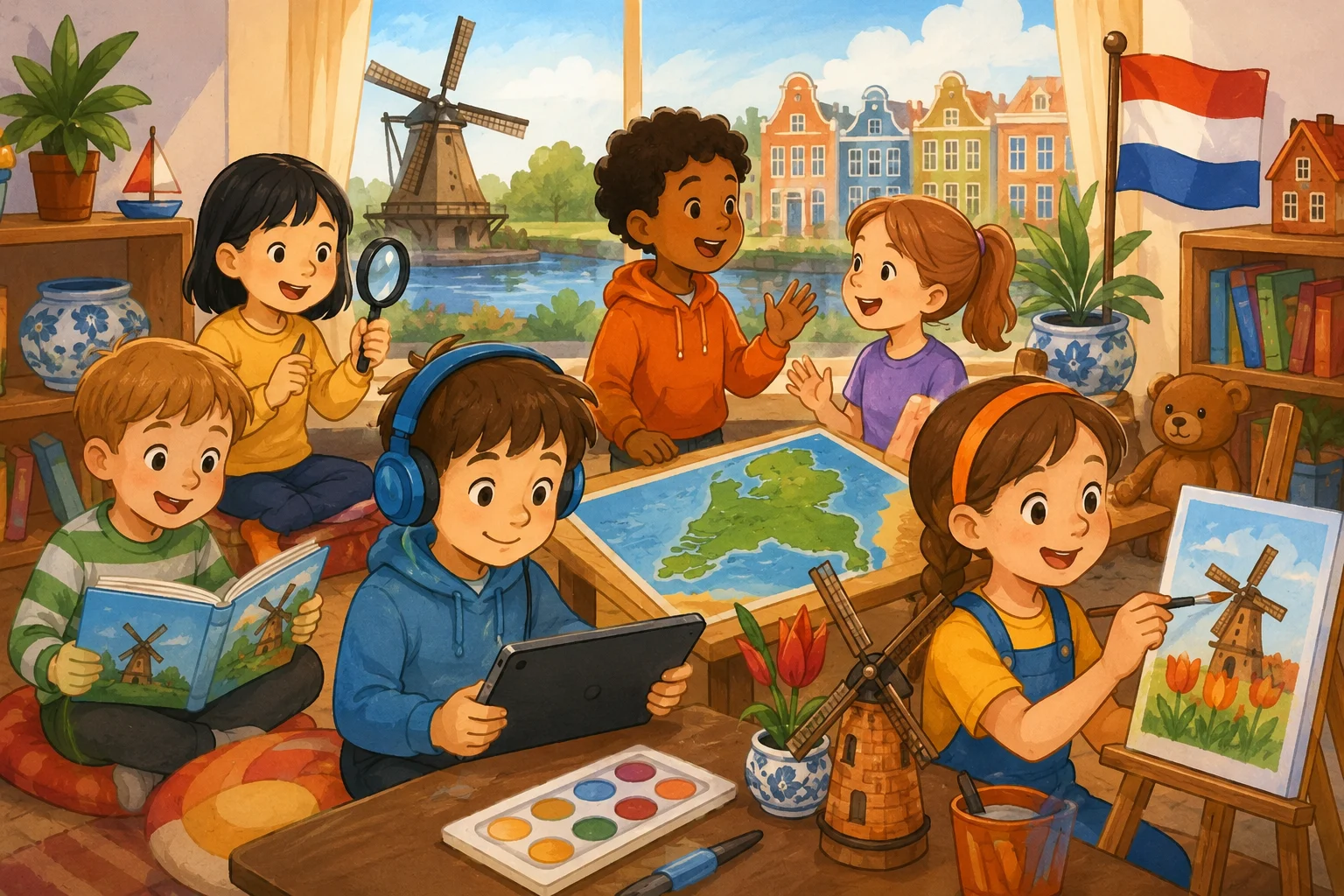
Learning a new language can be exciting, especially when children are encouraged through engaging and interactive activities. Dutch is a valuable language that opens doors to cultural understanding, communication, and future opportunities. A week of Dutch learning challenges for kids can transform language practice into an enjoyable adventure while helping children develop vocabulary, pronunciation, reading, and speaking skills.
In this guide, we’ll explore a seven-day Dutch learning challenge designed specifically for kids. These activities make language acquisition fun, motivating, and effective for young learners.
Table of Contents
Why Dutch Learning Challenges Work for Kids
Children learn best when lessons are interactive and goal-oriented. Daily challenges provide structure while keeping learning fresh and exciting. Instead of overwhelming kids with long study sessions, short challenges encourage consistent practice and build confidence over time.
Benefits of Dutch learning challenges include:
- Improved vocabulary retention
- Increased speaking confidence
- Better listening comprehension
- Enhanced reading and writing skills
- Greater enthusiasm for language learning
By focusing on one challenge each day, children can gradually strengthen their Dutch language abilities without feeling pressured.
Day 1: Dutch Vocabulary Treasure Hunt
Start the week with a fun vocabulary-building activity. Create a list of common Dutch words for household objects such as:
- Tafel (table)
- Stoel (chair)
- Deur (door)
- Boek (book)
- Raam (window)
Ask children to find each item around the house and say its Dutch name aloud. This hands-on approach helps connect words with real-world objects, making vocabulary easier to remember.
Day 2: Learn and Sing a Dutch Song
Music is a powerful language-learning tool. Introduce children to a simple Dutch children’s song and encourage them to sing along.
Benefits of singing in Dutch include:
- Better pronunciation
- Improved listening skills
- Increased vocabulary exposure
- Natural understanding of sentence patterns
Kids often remember lyrics more easily than traditional lessons, making music an effective learning resource.
Day 3: Dutch Story Time
Reading simple Dutch stories helps children recognize words and understand sentence structures. Choose age-appropriate books with colorful illustrations and simple language.
Encourage children to:
- Read aloud
- Identify familiar words
- Guess meanings from pictures
- Discuss the story afterward
Story time strengthens reading comprehension while exposing kids to natural Dutch expressions.
Day 4: Dutch Speaking Challenge
Dedicate one day to speaking practice. Challenge kids to use Dutch phrases throughout the day.
Examples include:
- Hallo (Hello)
- Hoe gaat het? (How are you?)
- Dank je wel (Thank you)
- Tot ziens (Goodbye)
Parents and teachers can participate by responding in Dutch whenever possible. Consistent speaking practice builds confidence and improves pronunciation.
Day 5: Dutch Arts and Crafts Activity
Creative projects provide an excellent opportunity to reinforce language skills. Ask children to create drawings, posters, or crafts and label everything in Dutch.
For example:
- Draw animals and write their Dutch names.
- Create a Dutch alphabet poster.
- Design a weather chart using Dutch weather vocabulary.
Combining creativity with language learning makes lessons memorable and engaging.
Day 6: Dutch Listening Adventure
Listening is an essential part of language acquisition. Introduce children to Dutch cartoons, educational videos, or beginner-friendly podcasts.
Encourage them to:
- Listen for familiar words
- Repeat phrases they hear
- Answer simple questions about the content
Regular listening practice helps children become comfortable with Dutch pronunciation, rhythm, and sentence patterns.
Day 7: Dutch Quiz and Celebration Day
End the week with a fun review session. Create a quiz featuring vocabulary, phrases, and concepts learned throughout the week.
Ideas include:
- Picture matching games
- Vocabulary flashcards
- Dutch word puzzles
- Simple conversation exercises
Celebrate achievements with certificates, stickers, or small rewards. Positive reinforcement motivates children to continue learning beyond the challenge week.
Tips for Making Dutch Learning More Effective
To maximize success, keep these strategies in mind:
Keep Sessions Short and Fun
Young learners have shorter attention spans. Aim for 15 to 30 minutes of focused practice each day.
Use Visual Learning Tools
Flashcards, pictures, videos, and interactive games help children understand and remember new vocabulary more effectively.
Encourage Daily Practice
Consistency is more important than lengthy study sessions. Small daily activities lead to steady language development.
Celebrate Progress
Recognize every achievement, no matter how small. Positive encouragement boosts confidence and motivation.
Incorporate Real-Life Situations
Use Dutch words during everyday routines such as meals, shopping, or playtime to reinforce learning naturally.
Benefits of a Weekly Dutch Language Challenge
A structured weekly challenge offers numerous educational advantages. Children develop a stronger connection with the language while improving communication skills in an enjoyable environment.
Long-term benefits include:
- Stronger memory retention
- Better language confidence
- Increased cultural awareness
- Improved academic skills
- Greater interest in multilingual learning
Most importantly, kids learn that language acquisition can be fun rather than intimidating.
Conclusion
A week of Dutch learning challenges for kids is an engaging way to introduce and strengthen language skills through daily activities. By combining vocabulary games, songs, storytelling, speaking practice, creative projects, listening exercises, and review sessions, children can build a solid foundation in Dutch while having fun. Consistent, enjoyable learning experiences encourage long-term language development and help young learners gain confidence in using Dutch in everyday situations. Whether at home or in the classroom, a seven-day Dutch challenge can inspire children to continue exploring and enjoying the Dutch language.