
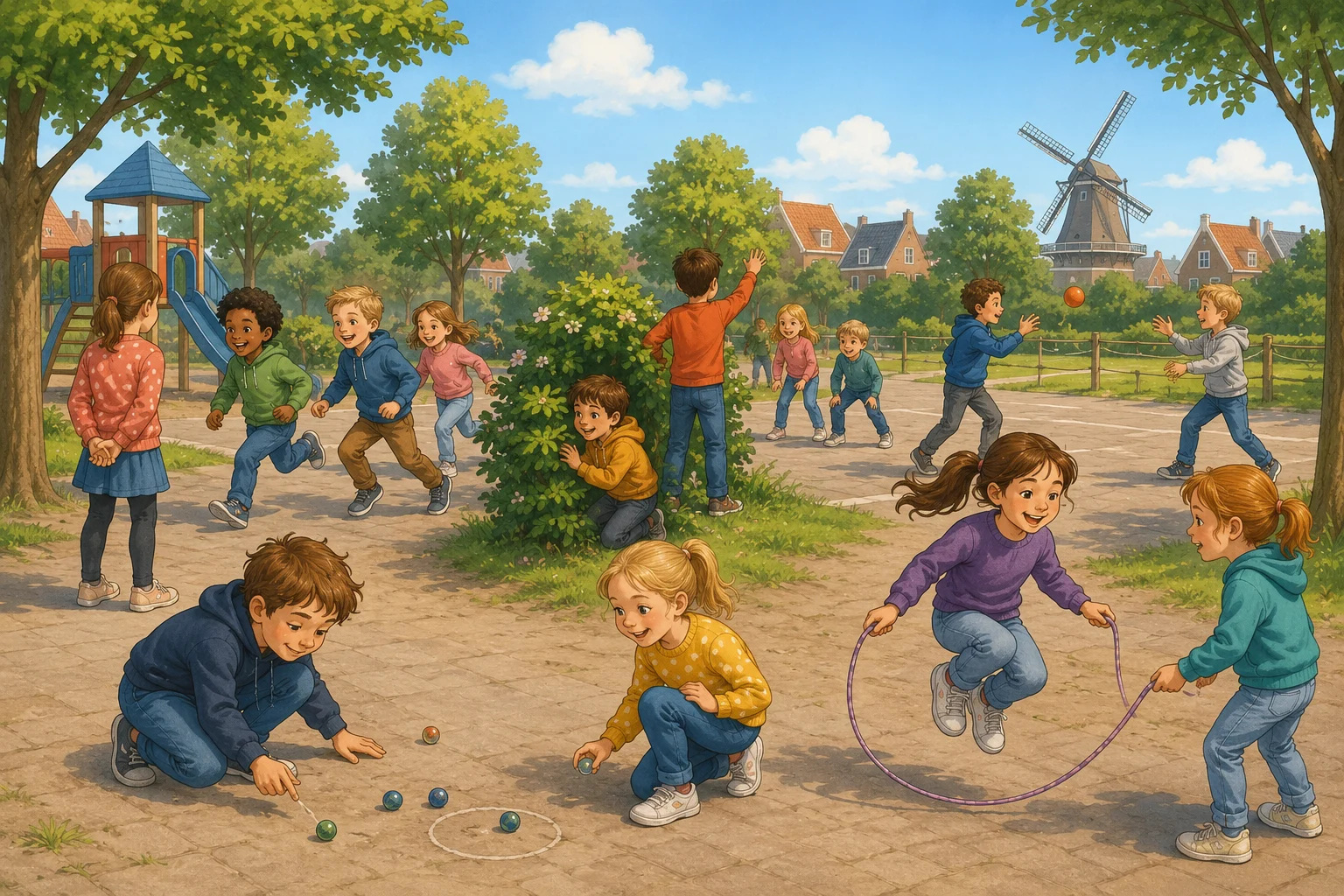
Moving to the Netherlands can be an exciting adventure for families, especially for children who are eager to make new friends and explore a different culture. One of the best ways for expat children to connect with local kids is through traditional Dutch playground games. These games have been enjoyed for generations and remain a common sight in schoolyards, parks, and neighborhood playgrounds across the country.
Learning these popular Dutch playground games helps expat children integrate more easily, build friendships, and gain a deeper understanding of Dutch culture. Here are some of the most beloved games every expat child should know.
Table of Contents
Why Dutch Playground Games Matter
Playground games are more than just entertainment. They help children develop social skills, teamwork, communication, and confidence. For expat children, participating in local games can reduce language barriers and create natural opportunities to interact with Dutch-speaking peers.
Many traditional Dutch games require minimal equipment, making them accessible and easy to learn. Once children understand the rules, they can quickly join in and feel part of the group.
Tikkertje (Dutch Tag)
Tikkertje is one of the most popular playground games in the Netherlands. Similar to the classic game of tag, one child is designated as “it” and must chase the others. When a player is touched, they become the new chaser.
There are many variations of Tikkertje, including versions where players must freeze when tagged or where safe zones are introduced. Dutch children often invent their own rules, making every game unique and exciting.
For expat children, learning Tikkertje is an easy way to participate in playground activities because the rules are simple and require little Dutch language knowledge.
Verstoppertje (Hide and Seek)
Verstoppertje is the Dutch version of hide and seek. One player counts while the others find hiding places. After counting, the seeker searches for the hidden players and tries to identify them before they reach the designated safe spot.
This timeless game remains a favorite among Dutch children and is commonly played in parks, gardens, and schoolyards. It encourages creativity, observation skills, and strategic thinking.
Annemaria Koekoek
Annemaria Koekoek is a uniquely Dutch playground game that resembles “Red Light, Green Light.” One child stands with their back turned while the others line up at a distance.
The leader calls out “Annemaria Koekoek” and then quickly turns around. During the phrase, players move forward. Once the leader turns, everyone must freeze. Any player caught moving must return to the starting line. The first child to reach the leader wins.
The game teaches self-control, patience, and concentration while providing plenty of laughs.
Touwtje Springen (Jump Rope)
Jump rope has long been a staple of Dutch playground culture. Children play individually or in groups, performing rhymes, counting games, and increasingly difficult jumping patterns.
Dutch children often combine skipping with songs and chants, making it both a physical and social activity. Expat children can easily join in and learn common Dutch playground rhymes over time.
Knikkeren (Marbles)
Knikkeren, or playing marbles, has been a favorite Dutch pastime for generations. Children use marbles to aim at targets, knock opponents’ marbles away, or compete in specially created marble tracks.
Although digital entertainment has become more common, marbles remain popular in many schools, especially during springtime. The game develops hand-eye coordination, precision, and strategic thinking.
Buskruit
Buskruit combines elements of hide and seek with team-based strategy. One player guards a designated object while others hide. Hidden players attempt to return to the object without being spotted.
This game is often played in larger outdoor spaces and encourages teamwork, planning, and quick decision-making. It is particularly popular during school camps and neighborhood gatherings.
Elastieken (Elastic Jumping)
Elastieken became especially popular in Dutch schoolyards during the 1980s and 1990s but is still enjoyed today. Two children hold a large elastic band around their legs while a third performs a series of jumping patterns.
As players succeed, the elastic is raised higher, increasing the difficulty. The game promotes balance, coordination, and physical fitness while offering a fun challenge.
Stoepranden
Stoepranden is a classic Dutch street game that requires a ball and two players standing on opposite sides of a road or open paved area. The objective is to bounce the ball off the curb so it returns to the thrower.
Players score points based on successful throws and catches. The game requires skill, timing, and precision, making it a favorite among older children.
How Expat Children Can Join Local Playground Games
Parents can help their children feel more comfortable by introducing them to common Dutch playground games before visiting local parks or schools. Watching local children play, learning a few basic Dutch words, and encouraging participation can make a big difference.
Many playground games rely more on observation and action than language, allowing children to join even if they are still learning Dutch. The shared experience of play often creates friendships much faster than formal introductions.
Benefits of Learning Traditional Dutch Games
Participating in Dutch playground games offers several advantages for expat children:
- Faster social integration
- Improved language exposure
- Greater cultural understanding
- Increased physical activity
- Enhanced confidence and communication skills
- Stronger friendships with local children
These games provide valuable opportunities to become part of the local community while having fun.
Conclusion
Dutch playground games are an important part of childhood culture in the Netherlands. From energetic games like Tikkertje and Annemaria Koekoek to classic activities such as Knikkeren and Verstoppertje, these traditions help children connect, learn, and enjoy outdoor play. For expat families, understanding and encouraging participation in these games can make the transition to Dutch life much smoother. By learning the playground games local children love, expat kids can build friendships, improve their language skills, and feel at home in their new environment.